Conclusion: Key Takeaways

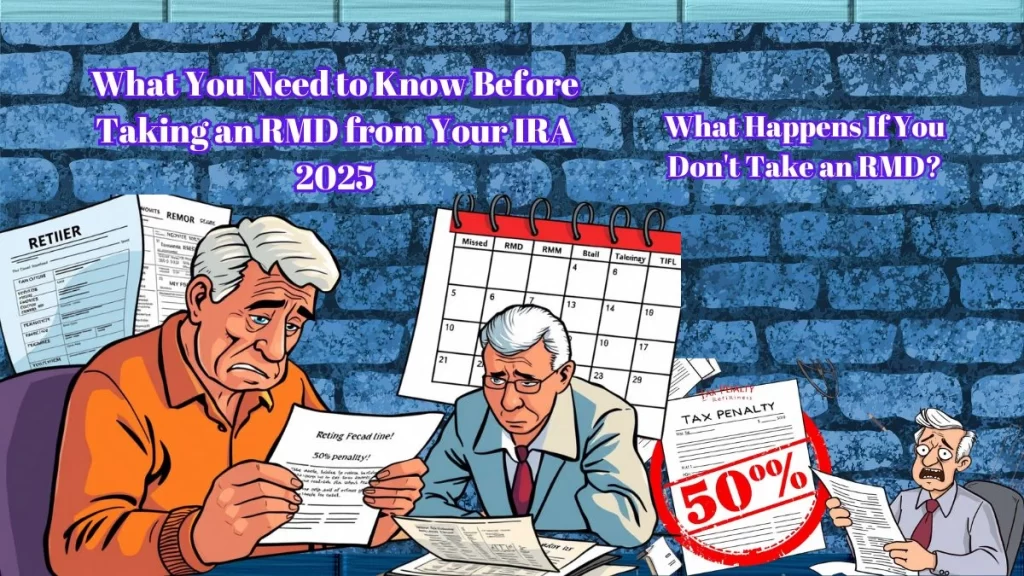
Taking your IRA RMD accurately significantly in dodging punishments and optimizes your tax situation. Begin by knowing when your RMD is due, how much you must pull back, and how to oversee the distribution suggestions. Utilizing techniques like Roth IRA transformations or Qualified Charitable Disseminations, you can decrease your assessable pay and keep more of your retirement savings.
Always confirm with a financial advisor or professional tax consultant to ensure you make the best decisions based on your unique financial situation.
Resources and For More Knowledge
- IRS Official Website – For authoritative RMD rules and life expectancy table information.
- URL: IRS RMD Information
- IRS Life Expectancy Tables – The specific IRS-provided life expectancy factors used to calculate RMDs.
- U.S. Department of Labor – To link to retirement savings and compliance information.
- Roth IRA Information – Investopedia – This is for readers interested in Roth IRA conversion strategies that reduce future RMDs.
- Social Security Administration – For clarity on how RMDs might affect Social Security benefits.
- National Institute on Aging – For context around retirement planning and strategies for managing retirement withdrawals.
- Tax Foundation – For relevant information on tax rates, implications, and tax-saving strategies associated with RMDs.
- Fidelity Retirement Resources – A reputable resource for articles on retirement account management and strategies.
- Charles Schwab Retirement Planning – For strategies related to reducing taxes on retirement withdrawals.
- URL: Schwab – Retirement
- AARP (American Association of Retired Persons) – For comprehensive, easy-to-understand information about RMDs and other retirement-related questions.

Hi there! I am Sudip Sengupta, the face behind “Tfin Career”. Tfin Career is a sole proprietorship finance and consulting firm that makes complex tax and financial concepts easy to understand for everyone. With more than 21 years of experience in the field, I have noticed that people cannot make the right decisions in this field. So, I decided to create “Tfin Career” to help individuals and businesses alike. Here I urge those who are confused to make better choices. Also, it is good news for my dear clients and every visitor that I/we are going to start a training module for those who want to choose a career path in Finance and Taxation. Just follow my website.
Thank you for reading this post, don't forget to subscribe!