


First-Time Tax Filing? Filing taxes for the first time can feel like stepping into uncharted territory. Between unfamiliar forms, confusing tax terms, and the fear of making mistakes, it’s easy to feel overwhelmed. But here’s the good news: You don’t have to figure it out alone.
At TFin Career, we specialize in helping first-time filers navigate the tax process with confidence. Whether you’re a student, freelancer, or new employee, this guide breaks down everything you need to know—from free filing options to avoiding scams.
Let’s make tax season simple!
1. IRS Free File: Your Best Option for Free & Easy Filing

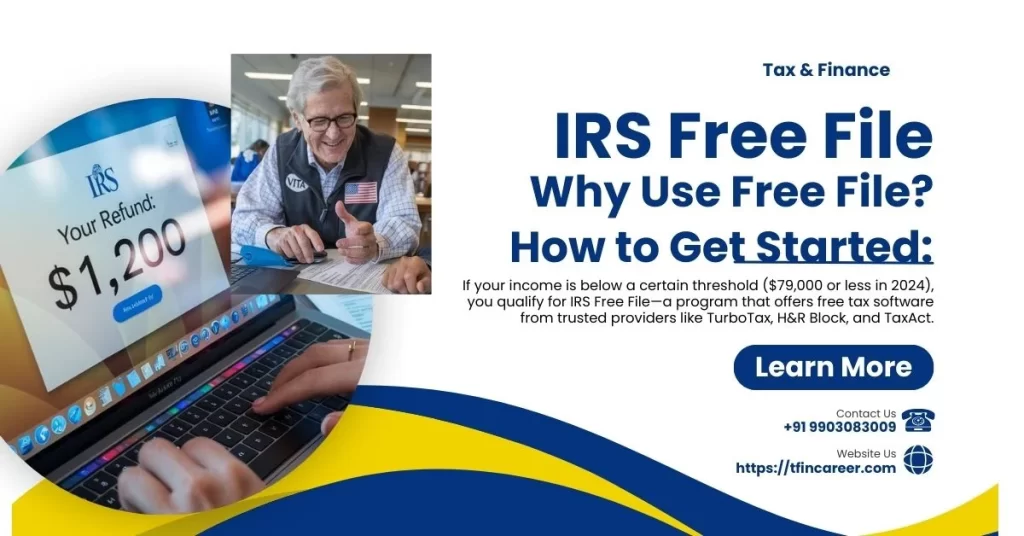
If your income is below a certain threshold ($79,000 or less in 2024), you qualify for IRS Free File—a program that offers free tax software from trusted providers like TurboTax, H&R Block, and TaxAct.
Why Use Free File?
- No Cost – Genuinely free federal (and sometimes state) filing.
- Guided Process – Walks you through each step, even if you’ve never filed before.
- Maximizes Deductions & Credits – Finds tax breaks you might miss on your own.
- Avoids Math Errors – Automatically calculates everything.
How to Get Started:
- Go to IRS.gov/FreeFile.
- Browse providers and select one that fits your needs.
- Follow the prompts to enter your W-2, 1099, or other tax forms.
Pro Tip: If you’re a student, the software will help you claim education credits (like the American Opportunity Credit) using your Form 1098-T.
How to Use Tax Software: Make Your Filing Stress-Free!
2. Need In-Person Help? Try the VITA Program
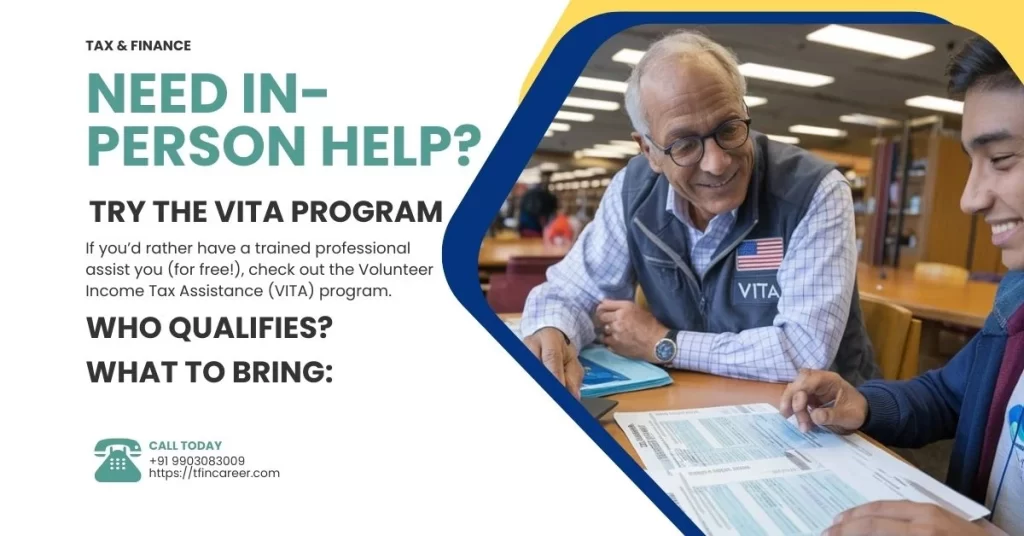
If you’d rather have a trained professional assist you (for free!), check out the Volunteer Income Tax Assistance (VITA) program.
Who Qualifies?
- Individuals earning $64,000 or less
- Persons with disabilities
- Limited English speakers
What to Bring:
- Government-issued ID
- Social Security cards (for you, spouse, and dependents)
- All tax forms (W-2s, 1099s, etc.)
- Bank account info for direct deposit
Find a VITA Site:
Visit IRS.gov/VITA and enter your ZIP code.
3. Hiring a Tax Pro? Avoid Scams & Choose Wisely

While DIY software works for many, some prefer hiring a professional—especially if they have self-employment income, investments, or rental properties.
How to Pick a Trustworthy Tax Preparer:
- Check Credentials – Look for CPAs, Enrolled Agents (EAs), or tax attorneys.
- Avoid “Too Good to Be True” Promises – Scammers often guarantee huge refunds.
- Never Sign a Blank Return – A major red flag!
- Review Before Signing – Ensure all info is accurate.
IRS Resources:
Verify a preparer’s credentials at IRS.gov/ChooseATaxPro.
4. E-File + Direct Deposit = Fastest Refund Possible
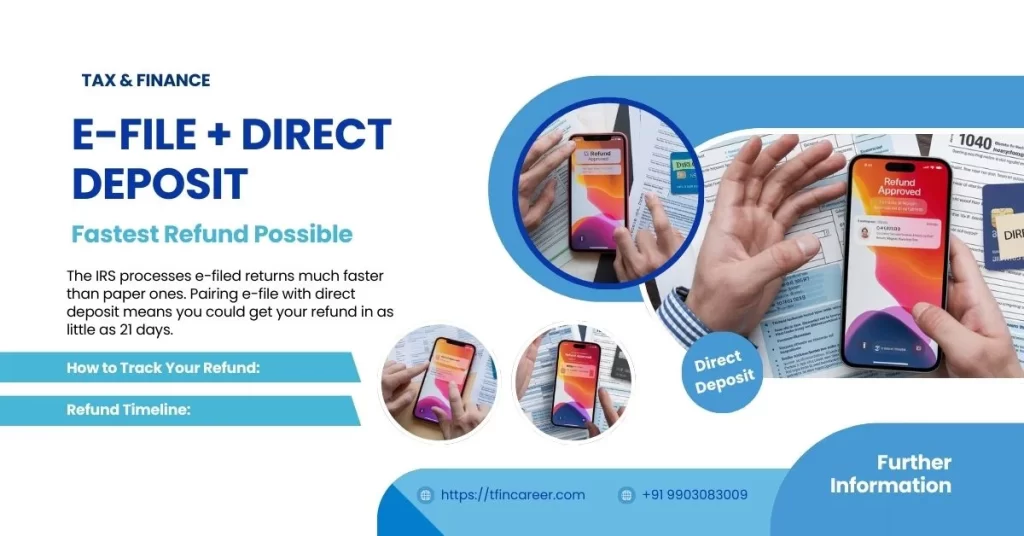
The IRS processes e-filed returns much faster than paper ones. Pairing e-file with direct deposit means you could get your refund in as little as 21 days.
How to Track Your Refund:
- Online: IRS.gov/refunds
- Mobile App: IRS2Go (available on iOS & Android)
Refund Timeline:
- 24 hours after e-filing → Status updates available
- 21 days (average) → Refund deposited
5. What If You Owe Taxes? Payment Options Explained
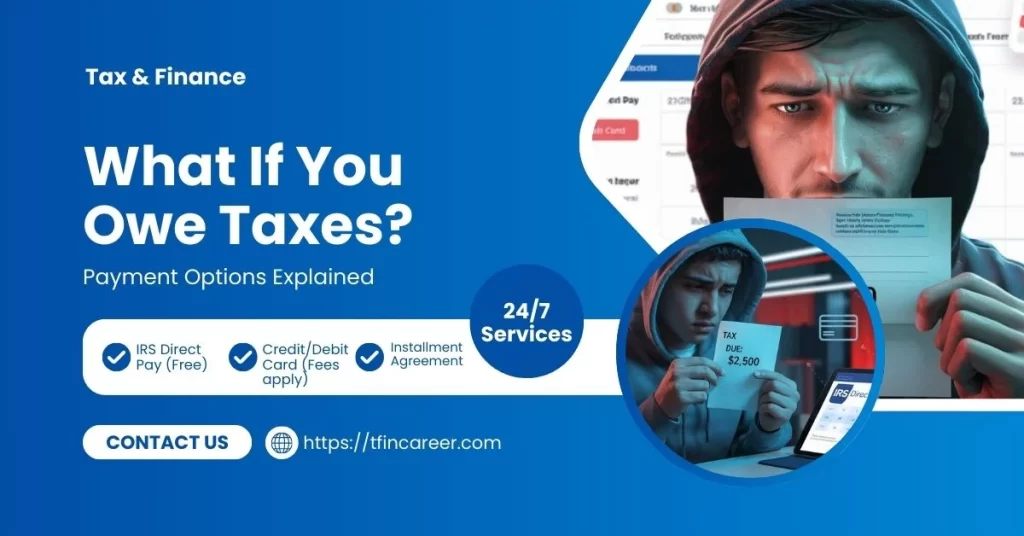
If you end up owing, don’t panic! The IRS offers multiple ways to pay:
Best Payment Methods:
- IRS Direct Pay (Free) – Directly from your bank account at IRS.gov/Payments.
- Credit/Debit Card (Fees apply) – Through approved processors.
- Installment Agreement – If you can’t pay in full, you may qualify for a payment plan.
Key Deadline: April 15, 2025 (unless extended).
Warning: A tax extension (Form 4868) gives you until October 15 to file, but you still must pay by April 15 to avoid penalties.
Tax Filing 2025: Deadlines, New Rules & How to Get Max Refunds
6. Don’t Fall for Tax Scams – How to Spot Fraud
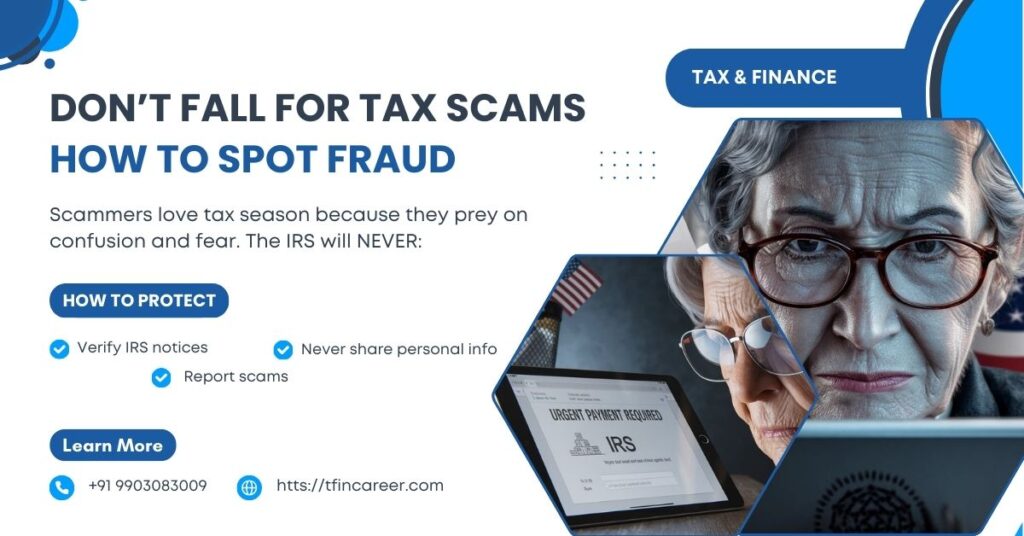
Scammers love tax season because they prey on confusion and fear. The IRS will NEVER:
- Call demanding immediate payment.
- Email or text you out of the blue.
- Threaten arrest or deportation.
How to Protect Yourself:
- Never share personal info (SSN, bank details) over unsolicited calls/emails.
- Verify IRS notices by calling 800-829-1040.
- Report scams at IRS.gov/ReportPhishing.
FAQs – First-Time Tax Filer Questions Answered
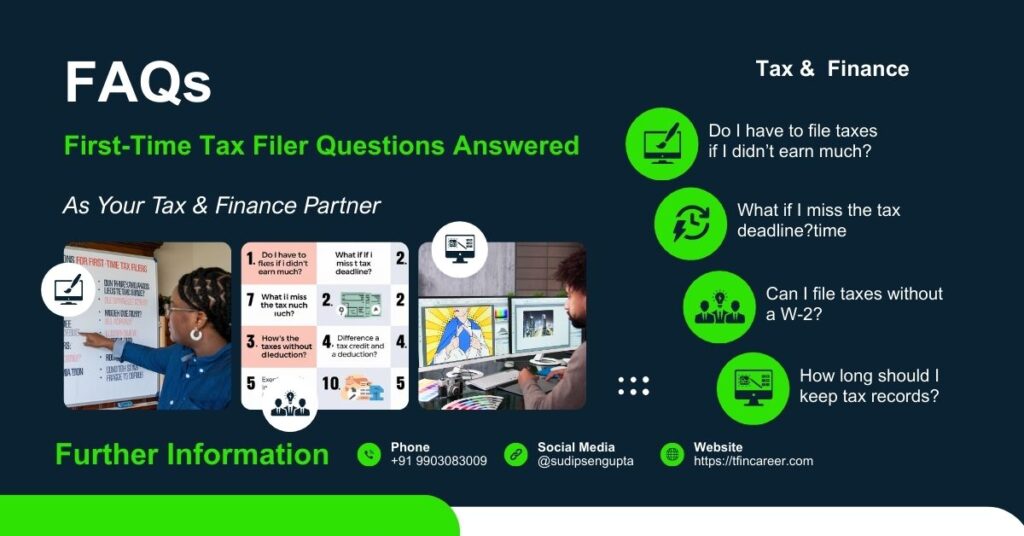
1. Do I have to file taxes if I didn’t earn much?
It depends on your filing status and income. For 2024:
- Single under 65: File if you earned $13,850+.
- Self-employed: File if you made $400+ (even if no W-2).
Use the IRS tool: Do I Need to File?
2. What if I miss the tax deadline?
- If you owe taxes: Penalties + interest apply (file ASAP!).
- If you’re due a refund: No penalty, but you lose refund after 3 years.
3. Can I file taxes without a W-2?
Yes! If your employer hasn’t sent it by February 1, contact them. If they don’t respond, file using Form 4852 (substitute W-2).
4. What’s the difference between a tax credit and a deduction?
- Deduction → Reduces taxable income (e.g., student loan interest).
- Credit → Directly cuts taxes owed (e.g., Child Tax Credit).
5. How long should I keep tax records?
3 years (general rule), but 7 years if you claimed a loss from bad debt or fraud.
Final Thoughts: You’ve Got This!
Filing taxes for the first time is a milestone—but it doesn’t have to be stressful. With IRS Free File, VITA assistance, and e-filing, you can submit an accurate return and even get a refund faster.
At TFin Career, we are here to help you make smart tax decisions. Still unsure? Book a consultation or explore more resources at IRS.gov.
Got questions? Drop them below—we’re happy to help! 💡
About the Author:
Sudip is a tax consultant at TFin Career, a trusted tax advisory firm helping individuals and small businesses file with confidence. Follow us for more tax tips!


Hi there! I am Sudip Sengupta, the face behind “Tfin Career”. Tfin Career is a sole proprietorship finance and consulting firm that makes complex tax and financial concepts easy to understand for everyone. With more than 21 years of experience in the field, I have noticed that people cannot make the right decisions in this field. So, I decided to create “Tfin Career” to help individuals and businesses alike. Here I urge those who are confused to make better choices. Also, it is good news for my dear clients and every visitor that I/we are going to start a training module for those who want to choose a career path in Finance and Taxation. Just follow my website.
Thank you for reading this post, don't forget to subscribe!